

• Analyze the psychological and social dynamics that influence individual and group
behavior in institutional settings.
• Understand various motivation theories and their practical application in designing
effective reward and incentive systems.
• Master techniques for managing organizational culture, power dynamics, and large-scale
structural change.
• Develop high-level leadership, negotiation, and conflict resolution skills to improve
workplace harmony and productivity.
• Evaluate the impact of organizational design and emerging technology on human behavior
and performance.
• Identify and address psychological factors such as perception and personality that drive
employee engagement.
• Design and implement evidence-based interventions for team building and cross-
departmental collaboration.
• Manage formal and informal organizational communication channels to ensure
transparency and institutional alignment.
• Implement ethical leadership practices and leverage emotional intelligence to influence
positive behavioral outcomes.
• Navigate complex organizational power structures and political landscapes to drive
strategic initiatives.





Counseling
Students should submit a request with these links and one of our admissions officers will contact you for counseling and address all your queries.
Application
After submitting the request form, Students should submit the application form. Click here to fill out the application form.
Offer Letter
Once the application is submitted, ASTI will issue an offer letter and the student ID card.
Campus Tour
Students will be invited to ASTI for a campus tour so that students can experience the different labs, classrooms, libraries, auditorium, and more.
Registration
Students should pay the registration fees to block their seats.
Enrollment
Once the registration is done, learners can enroll and start learning #from the UAE Leading Technical Training Institute, ASTI.
E-Counseling
Learners should submit a request with these links, and one of our admissions officers will contact you to provide E-Counseling and address all your queries.
Application
After submitting the request form, Students should submit the application form. Click here to fill out the application form.
Offer Letter
An offer letter will be issued by ASTI once the information provided in the application form has been verified.
Interview
An interview will be conducted with learners to discuss in brief the process, fee structure, and program you’re enrolling in.
Registration
After the interview, learners need to pay the fee in order to continue with the registration process. Payment details will be shared with you by our admission officers. Register a safe payment of fees using a credit or debit card, or choose any other method of payment available.
Visa Application
Once the payment is received, ASTI will send a visa application form, which learners need to fill out to proceed with visa processing.
Enrollment
A visa copy will be shared with learners, and learners can enroll and start learning from ASTI.

During my studies for level 5, Diploma in Information Technology, all of the teachers were really helpful and friendly. They have deep knowledge in their respective fields and their teaching

Learners then benefit from a nationally recognized Level 3 qualification and can go for University entry or contributes to the framework of an apprenticeship in Engineering. In this study program,

During my studies for level 5, Diploma in Information Technology, all of the teachers were really helpful and friendly. They have deep knowledge in their respective fields and their teaching

As the world shifts towards sustainable transportation, the electric vehicle (EV) sector is

If you’re seeking a practical, high‑demand skill set in Dubai’s booming construction and
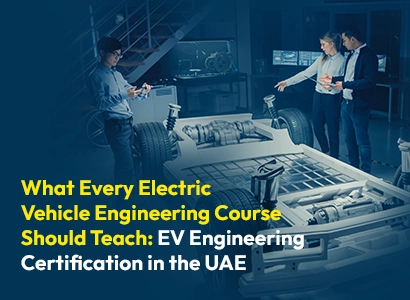
In a world rapidly transitioning towards cleaner transportation, electric mobility is no longer

The Changing Face of the Automotive Industry The automotive industry is transforming

Building The Skilled Workforce of Tomorrow With World-Class Technical Training in Dubai!
Success Starts Here

Success Starts Here
Success Starts Here
Get a Custom Solution for Employee Training

Success Starts Here

+971565937777
+971562192333


